Browsed by
Author:

Sri Lanka Unveils Climate-Smart Agriculture Investment Plan

Sri Lanka Unveils Climate-Smart Agriculture Investment Plan

Sri Lanka has launched its first Climate-Smart Agriculture Investment Plan. This plan aims to strengthen farming against climate change impacts. It’s funded by the Green Climate Fund and led by the UN’s Food and Agriculture Organization.

The plan will give farmers sustainable practices and tools. These will help them deal with rising temperatures and extreme weather. The goal is to lessen the harmful effects of climate change on agriculture.

Sri Lanka is one of the top 10 countries at risk from climate change. This ranking comes from the Global Climate Risk Index. Without action, crop yields could drop by 10-12% in dry and intermediate zones.

The plan is a key step towards a stronger future for Sri Lankan farmers. It brings together experts from various fields to create effective strategies. These strategies will match Sri Lanka’s development goals.

The plan promotes ways to reduce climate change effects. It also teaches farmers how to adapt their methods. This knowledge will help them face the challenges of a changing climate.

FAO and Green Climate Fund Collaborate to Enhance Agricultural Resilience

The FAO and GCF are teaming up to boost climate-resilient food systems in Sri Lanka. This effort aims to improve agricultural resilience and support low-emission farming practices. It ensures food security for the growing population while promoting sustainable agriculture.

The FAO predicts food production must increase by 60% to feed 9 billion people by 2050. This initiative is a crucial step towards meeting that goal. It addresses both current and future food security challenges.

Innovative Investment Mechanisms to Bridge Farmers and Investors

The FAO-GCF partnership is creating new ways to connect farmers with investors. They’re attracting private sector funding and green investment initiatives. This helps farmers adopt climate-smart agriculture practices and access needed resources.

Similar projects have shown great success. For example, agroforestry systems on Mount Kilimanjaro increased farmers’ incomes by 25%. This was achieved through coffee cultivation, demonstrating the potential of these investments.

Promoting Youth Entrepreneurship in Agriculture

The collaboration focuses on getting youth involved in agriculture. They work with government bodies, private sector, and academia to create opportunities. This helps young people contribute to low-emission farming and climate-resilient food systems.

Youth involvement ensures long-term sustainability of Sri Lanka’s agricultural sector. It also boosts the nation’s economic growth and stability. This approach addresses both present and future agricultural needs.

Climate-Smart Agriculture Investment Plan Launched to Combat Climate Change

Sri Lanka has launched its Climate-Smart Agriculture Investment Plan to tackle climate change challenges. This initiative, backed by the Green Climate Fund and FAO, aims to strengthen the agricultural sector’s resilience.

Sri Lanka ranks among the top ten countries most vulnerable to extreme weather events. Without proper measures, dry and intermediate zones could face a 10-12% yield reduction in agriculture.

The plan involves various stakeholders, including government bodies, private sector, and academia. It aims to develop innovative investment mechanisms for Sri Lanka’s agricultural landscape. The goal is to connect farmers with investors for climate-smart interventions.

The global agrifood system currently emits one-third of all emissions. Food systems consume about 70% of fresh water resources. Global food demand is expected to rise to feed 9.7 billion people by 2050.

The launch workshop is the first of many planned consultations. Sri Lanka is taking proactive steps to equip its agricultural sector for adaptation and resilience. This approach will help ensure food security while reducing agriculture’s environmental impact.

Key Components of Sri Lanka’s Climate-Smart Agriculture Strategy

Sri Lanka’s Climate-Smart Agriculture Investment Plan aims to boost agricultural resilience and fight climate change. The $140 million plan promotes sustainable farming, ecosystem restoration, and environmental conservation. It focuses on low-emission agriculture, climate-resilient food systems, and attracting green investments.

The plan targets over 470,000 smallholder farmers in Sri Lanka’s dry zone. It covers 11 administrative districts and six provinces. The project is funded through a six-year Investment Project Financing Credit.

Funding sources include $125 million from IDA Transitional Credit and $15 million from other sources. The plan allocates $42 million for agriculture production and marketing. It also designates $92 million for water management and $6 million for project oversight.

Agroforestry is a key priority, integrating trees into farmland to boost ecosystem services. This practice enhances biodiversity and carbon sequestration. Agroforestry helps farmers adapt to climate change by providing shade and reducing soil erosion.

The plan supports agroforestry adoption through training and financial incentives. A Project Management Unit within the Ministry oversees implementation. A National Project Steering Committee provides strategic guidance and coordination.

Monitoring and evaluation are crucial to assess the plan’s outcomes. These measures ensure effective implementation of the action plan.
Sri Lanka’s Economic Recovery: A Peaceful Political Transition

Sri Lanka’s Economic Recovery: A Peaceful Political Transition

Sri Lanka has shown great strength, working towards stability and growth after a tough financial period. Anura Kumara Dissanayake and the Janatha Vimukthi Peramuna (JVP) won 42% of the votes in the presidential election. This was a huge jump from 3% in 2019. This shift shows the country’s desire for change, leading to a smooth political shift, a first in its history.

Economic growth in Sri Lanka is feeling the impact of this change. Inflation has dropped to 2%, and the Sri Lankan Rupee is stable. The GDP growth rate for 2024 is predicted to hit 4%, surpassing the IMF’s 2% estimate. This builds confidence among investors.

The JVP’s rise to power was notable for its calm approach, avoiding hateful speech. This helped Sri Lanka hold elections without violence. It’s a sign of the country’s growing peace and democratic strength. What was once a difficult political scene is now filled with hope, setting a strong base for future growth.

Sri Lanka's Economic Recovery: A Peaceful Political Transition

As Sri Lanka advances on the world stage, it draws international attention. Good market performance and increasing foreign investment reflect its progress. Despite some restrictions from the IMF, economic reforms are making a difference. This moves Sri Lanka towards lasting stability and wealth.

The Path to Sri Lanka’s Political Stability

In 2022, Sri Lanka faced a massive economic challenge. It saw its GDP plummet by 7.8%, marking one of the worst economic downturns globally. This situation pushed the country onto a path aiming for political stability and a better economy. A significant political shift happened peacefully, suggesting a silver lining amidst tough times.

Year GDP Growth Rate Inflation Rate Government Approval Rating
2022 -7.8% 60% 10%
2023 Projected Positive Growth 21%

There was a huge outcry from the public, leading to a major political change. President Gotabaya Rajapaksa resigned due to people demanding a new direction. This reflects a broader desire for transparent and steady governance focused on healing both the economy and the political landscape.

The government has made moves to stabilize the economy with various reforms. Help from neighboring countries, especially India, has been pivotal. India’s emergency aid was essential in keeping Sri Lanka’s economy from further decline. It included postponing trade payments and crucial credits for importing necessities like fuel and medicine.

Political Stability and Economic Recovery in Sri Lanka

The World Bank’s forecast brings hope to Sri Lanka, predicting 4.4% growth by 2024. The industrial and tourism sectors are expected to drive this recovery. But, the journey is cautious, with ongoing reforms and a debt crisis solution being crucial.

Sri Lanka’s journey towards political stability and economic recovery is closely linked. With this political shift, the world is keenly watching. Everyone hopes for a revival in governance and economic performance, making Sri Lanka stand out in South Asia.

Sri Lanka’s Peace Process and Economic Reforms

Sri Lanka is on a journey towards economic stability and recovery. This journey is closely linked with its peace process. The nation is reshaping through political changes and IMF-backed economic reforms.

The Impact of the IMF Programme and Austerity Measures

The IMF program introduced austerity measures in Sri Lanka. These measures are crucial for stabilizing its economy. They include freezing public sector wages, increasing taxes, and cutting government spending.

Though these steps are vital for recovery, they have also lowered living standards temporarily. To help, the Central Bank of Sri Lanka lowered policy rates. This action aims to boost economic activity.

Reshaping Economic Policies for Sustainable Development

Sri Lanka is changing its economic policies for sustainable growth. The country is finding a balance between fiscal duties and social welfare. These strategies are key for not just recovery but also long-term stability.

Political Reconstruction: The Role of Peacebuilding Efforts

Peacebuilding is shaping Sri Lanka’s political reconstruction. It’s crucial for healing and uniting a divided nation. Efforts include reconciliation and promoting transparency and political inclusion.

Maintaining these political reconstruction efforts is key. It’s essential for Sri Lanka’s peace process and democratic stability.

Aspect Pre-2015 Post-2015
Constitutional Framework 20th Amendment – Hyper-presidentialism 19th Amendment – Diminished executive powers
Political Dominance Rajapaksa family control Shift towards more democratic governance
Reconciliation Initiatives Limited government-led efforts Increased focus on integrated reconciliation processes

The mixture of economic policies, IMF support, and peace efforts is key for Sri Lanka. Staying committed to these reforms will help build a stable and prosperous future.

Conclusion

Sri Lanka is on the rise, thanks to a big economic boost. This success story comes from a tough time. The tourism sector’s growth plays a big part in this. It’s about more than just the numbers; it shows a vital comeback. The country’s economy is growing, driven by tourism, smart debt handling, and new education goals. 1.5 million tourists have visited, showing this isn’t just a temporary win.

The country’s economy is changing dramatically. It faces big hurdles, like a 7.8 percent drop in GDP and high poverty. But there’s hope. A $3 billion boost from the IMF and help from India are making a difference. The peaceful move to President Wickremesinghe’s leadership has made the country more stable. This stability is crucial for the economy to get better.

Things are looking up for Sri Lanka as it keeps moving forward. This progress is supported by global partnerships and stronger regional trade. The education system is also getting an, focusing on thinking skills and digital know-how. These changes are part of a big plan for ongoing progress. Through smart policies and education changes, Sri Lanka is healing from its struggles and aiming for a bright future.

Sri Lanka Tax Hikes Amid Fiscal Deficit Crisis

Sri Lanka Tax Hikes Amid Fiscal Deficit Crisis

In response to a severe financial crisis, Sri Lanka’s government has taken urgent steps. These include tax hikes and changes in how the government earns money. These actions are led by Prime Minister Ranil Wickremesinghe.

The aim is to fix the budget gap worsened by the global pandemic. This is important for the country’s economic health.

Government Implements Tax Hikes to Boost Revenue Amid Fiscal Deficit

New tax measures mean higher taxes for businesses and less tax relief for individuals. These changes are expected to raise a lot of money for the country. This comes as Sri Lanka faces high inflation and economic challenges.

Groups like OMP Sri Lanka note the focus on increasing government earnings. The goal is to boost the revenue-to-GDP ratio above 14% by 2025.

The government’s efforts to reform the economy and fix the fiscal deficit are clear. Sri Lanka has sought help from the IMF sixteen times before. Today, the focus is on economic recovery, managing debt, and sustainable governance.

Understanding the Fiscal Deficit and Measures in Sri Lanka

To understand Sri Lanka’s financial issues, we must look at its fiscal deficit over time. The budget gap grew because of tax cuts and COVID-19, which hurt tourism and remittances.

The Roots of the Crisis and Previous Tax Cuts

Big tax cuts in late 2019 were meant to boost the economy. But, they cut government income by a lot, around 800 billion Sri Lankan rupees. With the COVID-19 hit, the fiscal deficit shot up to 12.2% of the GDP in 2021 from 9.6% before.

Prime Minister’s Fiscal Consolidation Plan

The Prime Minister has a plan to fix this by cutting government spending and changing fiscal policies. This is key to getting an IMF loan and fixing debt issues. His goal is to get back to the income levels before the pandemic and stabilize government finances.

fiscal deficit in Sri Lanka

The Role of Inflation in the Fiscal Equation

It’s important to understand how inflation fits with fiscal policy. Sri Lanka is working to control inflation and keep the economy stable. This effort comes as it faces fiscal and balance of payments challenges.

The government also aims to get better at collecting taxes. By doing this, it hopes to reduce the gap in the budget.

Indicator Jan-Sep 2022 Jan-Sep 2023
Budget Deficit Rs. 1,244 billion Rs. 1,614 billion
Tax Revenue Rs. 1,283 billion Rs. 1,934 billion
Total Expenditure Rs. 2,695 billion Rs. 3,732 billion
Total Revenue Rs. 1,448 billion Rs. 2,110 billion
Government Debt Rs. 24,264 billion Rs. 26,916 billion

Read more about Sri Lanka’s economic projections and reform effects here.

Government Implements Tax Hikes to Boost Revenue Amid Fiscal Deficit

The Government of Sri Lanka is tackling financial issues caused by a big fiscal deficit. They have introduced key tax reforms to strengthen the economy. One major change is altering the tax regime to increase government revenue and achieve fiscal consolidation.

Strategic Increase in Value Added Tax

To help with financial restructuring, the VAT on financial services rose from 15% to 18% in January 2022. It then went from 8% to 12% in May 2022, showing the government’s focus on making more money. They plan to increase the VAT to 15% by September 2022.

Corporate Tax Rates Climb as Part of Revenue Enhancement

Corporate income tax rates jumped from 24% to 30%. This increase helps cover growing state expenses and supports economic stability. It’s a big part of improving government revenue.

Personal Tax Reliefs Slashed to Buffer Financial Deficits

To deal with the financial deficit, personal tax reliefs were greatly reduced. The tax-free income limit went down from Rs. 3.0 million to Rs. 1.2 million per year. Tax rates now range from 6% to 36%, up from 4% to 24% before.

Additional Tax Measures and Their Expected Outcomes

A one-off 25% surcharge tax is now on high-earners and big businesses. There’s also a new 2.5% Social Security Contribution Levy on turnover for large businesses. These fiscal consolidation steps aim to stabilize the economy, hoping for a 4.0% fiscal deficit by 2025.

Efforts also include forming a Large Tax Payers Unit and doing risk-based audits. These steps should make the revenue system more efficient and effective.

Measure Details
VAT Increase From 8% to 12%, with a proposal to reach 15%
Corporate Tax Rate Increased to 30% from 24%
Personal Income Tax Adjustment Threshold reduced to Rs. 1.2 million
Surcharge Tax 25% on income exceeding Rs. 2.0 billion
Social Security Levy 2.5% on turnover for major businesses

The Burden of Adjustments and the Path to Stability

Sri Lanka is working through tough economic challenges. The government has started using financial reform strategies for better stability and growth. The goal is to lower the fiscal deficit to 4.0 percent of GDP. They also want to cut the debt ratio to about 75.5 percent by 2025.

This effort comes after the country’s ratings went down in January 2020. The plan includes improving government income through smart tax moves. It also involves cutting back on unnecessary spending and using digital tools to upgrade government operations.

Dealing with the rising public debt is a big challenge. This issue grew because of consistent budget deficits and the impact of COVID-19. Sri Lanka has started restructuring its debt, with help from an IMF agreement in September 2022.

They expect to raise government revenue by expanding the Value Added Tax and income tax bases. Changes made in late 2022, like the surcharge tax on high-income businesses, are key. These steps could increase the revenue-to-GDP ratio to 14.2 percent by 2025.

Aiming for a primary balance surplus from 2024 shows a commitment to long-term financial health. By funding essential infrastructure with domestic resources, the government supports agriculture and industry. This strategy helps build a strong economy that can deal with global issues.

Research shows focusing on reducing unnecessary spending works better than increasing taxes. Sri Lanka is dedicated to improving its economy and building a powerful infrastructure. These efforts are meant to ensure economic resilience and prosperity for its people.

Sri Lanka Names Hans Wijayasuriya as Digital Economy Lead

Sri Lanka Names Hans Wijayasuriya as Digital Economy Lead

OMP Sri Lanka has announced a significant step in the country’s digital journey. Dr. Hans Wijayasuriya has been chosen as the Chief Advisor on Digital Economy by the president. This key appointment by President Anura Kumara Dissanayake highlights the country’s dedication to leading in technology. It also shows its efforts to transform its digital space.

Sri Lanka Appoints Axiata GED Hans Wijayasuriya as Chief Digital Economy Advisor

Dr. Wijayasuriya brings a wealth of experience from his time as Axiata Group’s General Executive Director. His global recognition, including the top GSMA Chairman’s Award in 2024, will greatly benefit his new position. With this role, Sri Lanka is starting a new chapter in its digital journey. The aim is to boost growth and improve public services with new technology.

Work on economic recovery is moving forward, and Dr. Wijayasuriya’s vision is expected to be key for empowering Sri Lankans digitally. By taking on this important advisory role, he will wrap up his successful time with Axiata by January 2025. This move marks a major shift from his corporate achievements to serving the nation in the technology field.

Sri Lanka Appoints Axiata GED Hans Wijayasuriya as Chief Digital Economy Advisor

Sri Lanka has made a key move by naming Hans Wijayasuriya the Chief Digital Economy Advisor. This important step is set to boost the country’s role in the digital world and enhance its global standing. It shows Sri Lanka’s eagerness to lead in tech among developing countries.

Appointment Marks a Transformational Shift for Sri Lanka’s Digital Landscape

Dr. Wijayasuriya starts his role on November 1, 2024. He brings vast knowledge, especially from the financial world. This matches well with Sri Lanka’s goals of promoting tech and innovation in telecom. On his first day, the local currency strengthened, showing more investor confidence, particularly in finance.

Empowering a National Vision: Toward a Digitally Advanced Sri Lanka

With Dr. Wijayasuriya’s leadership, Sri Lanka aims to launch major digital updates. These plans are to upgrade infrastructure and make tech widely available, improving living standards and job chances for everyone. His experience in emerging markets and digital fields will likely lead to significant progress.

Public-Private Synergy: Wijayasuriya’s Role in Digital Policy and Advisory

Advancing digitally needs teamwork between the government and private companies. Dr. Wijayasuriya will head the ICTA of Sri Lanka, focusing on starting strong and creating solid policies. His role aims to synchronize Sri Lanka with global digital developments, promoting growth and tech empowerment.

Sri Lanka has also gained major global support, for example, a $1 billion World Bank loan. This shows the world’s trust in Sri Lanka’s recovery and growth plans. It’s a step towards building a vibrant digital economy.

Having Hans Wijayasuriya as the Chief Digital Economy Advisor is crucial for Sri Lanka. His insight and strategy are key to bringing in a digital age of success. He’s expected to blend economic strength with tech innovation seamlessly.

Hans Wijayasuriya’s Legacy in Telecommunications and Digital Solutions

Dr. Hans Wijayasuriya has led for over 30 years in the Axiata Group. He has made a big impact on global mobile communication. This is shown by his GSMA Chairman’s Award in 2024. He now focuses on Sri Lanka’s digital economy growth. By being the Chief Advisor to the President on Digital Economy, his telecommunications expertise will help the country. Sri Lanka faces challenges like the need for skilled software experts which it currently lacks. Dr. Wijayasuriya is key in meeting the IT industry’s growing demands.

To improve the IT workforce, there is a focus on digital innovation. This aims to boost the economy and stop the brain drain by offering good jobs to the young and encouraging them to start businesses. Dr. Wijayasuriya’s work is seen in Dialog Axiata and Axiata Digital Labs. These efforts show his lasting effect on Sri Lanka’s telco and digital areas. He advises the nation to use innovation to enhance international trade. This will help with currency issues and reduce the banking sector’s reliance on the falling rupee.

Sri Lanka is changing its laws, with the 21st Amendment passed. This shows its commitment to fair laws and chances for everyone. The nation is trying to improve in areas like banking and IT. Groups like the Commonwealth Union Ltd. and AppĂ© Lanka help poor communities in Sri Lanka. The President’s Media Division says Dr. Wijayasuriya’s role is very important. As Sri Lanka plans to dissolve its Parliament for elections, it looks forward to new laws and policy changes.

Sri Lankan Artists Exhibit at Venice Biennale 2024

Sri Lankan Artists Exhibit at Venice Biennale 2024

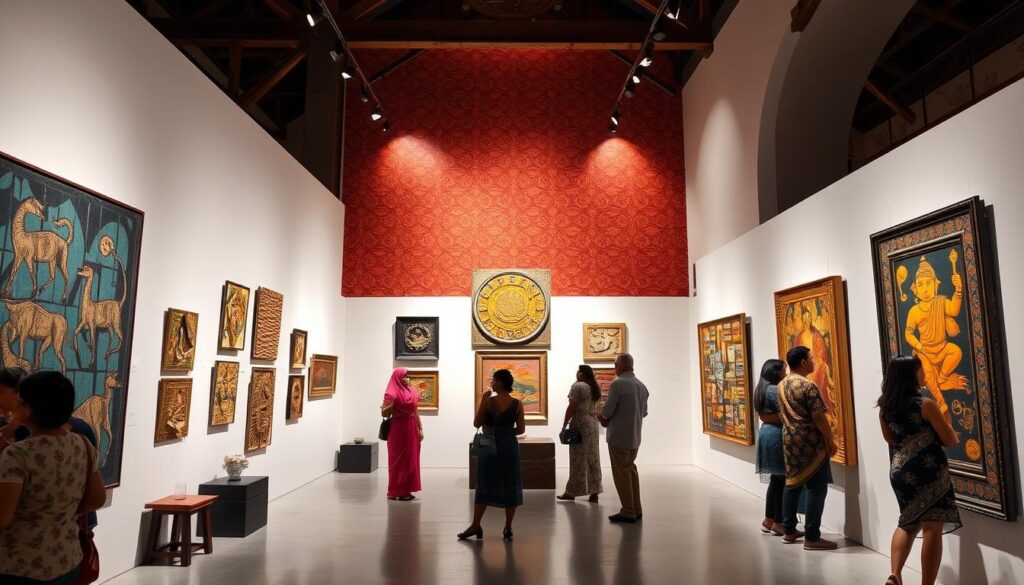
The 60th Venice Biennale in 2024 will showcase art from around the world. Sri Lankan artists will display their unique styles and viewpoints at this famous event. This exhibition offers a chance for cultural exchange and dialogue.

The Venice Biennale has a long history of featuring artists from many countries. Including Sri Lankan artists shows growing recognition of their contemporary art. George Keyt, a famous Sri Lankan painter, blended European and South Asian styles in his work.

Sri Lankan Artists Exhibit at Venice Biennale 2024

The 2024 Venice Biennale will feature 331 artists, more than the 213 in 2022. It will have two main sections: “Nucleo Contemporaneo” and “Nucleo Storico”. These focus on contemporary and historical artworks.

The “Nucleo Storico” section will explore global modernisms and modernisms of the Global South. It will look at portraiture, abstraction, and Italian diaspora in the Global South.

Sri Lankan artists at the Venice Biennale 2024 show the country’s thriving art scene. They can share ideas with artists from other countries. This exchange helps enrich global art discussions and understanding.

Key Takeaways

  • Sri Lankan artists will exhibit their works at the prestigious Venice Biennale in 2024, showcasing contemporary Sri Lankan art on the international stage.
  • The inclusion of Sri Lankan artists in the Venice Biennale highlights the growing recognition of the country’s thriving contemporary art scene.
  • The exhibition will feature a record number of 331 artists, divided into two main sections focusing on contemporary and historical artworks.
  • The participation of Sri Lankan artists provides opportunities for cross-cultural dialogues and collaborations with international artists.
  • The Venice Biennale serves as a platform for cultural representation and the exchange of diverse artistic perspectives.

Contemporary Sri Lankan Art Takes Center Stage at Venice Biennale

The Venice Biennale 2024 will showcase Sri Lanka’s vibrant contemporary art scene. This prestigious exhibition offers a global platform for emerging and established artists from the island nation.

Celebrating Artistic Diversity and Cultural Representation

Sri Lankan artists will represent their country’s rich cultural heritage at the Venice Biennale. The event features 88 national pavilions and attracts art enthusiasts worldwide.

These artists will contribute to discussions on South Asian art in the global scene. Their participation highlights the importance of diverse cultural perspectives in contemporary art.

Showcasing Emerging Talents and Established Artists

Renowned sculptor Chandraguptha Thenuwara will present his work “Covert” at the Palazzo Mora. His participation demonstrates the recognition of established Sri Lankan artists internationally.

The Biennale will also serve as a launchpad for emerging talents. It offers them exposure to a global audience and opportunities for cross-cultural collaborations.

This event marks a pivotal moment for contemporary Sri Lankan art. Artists will showcase their unique styles and address important social, political, and cultural issues.

Sri Lankan Artists Exhibit at Venice Biennale 2024

Sri Lankan artists will shine at the Venice Biennale 2024. They’ll showcase their unique artistic narratives and styles. This event celebrates global contemporary art practices.

Exploring Unique Artistic Narratives and Styles

Chandraguptha Thenuwara’s “Covert” was featured at the 2022 Venice Biennale. The eight-foot-tall iron sculpture took a year to make. It uses symbols and drawings that reflect Sri Lanka’s context.

Thenuwara’s 25-year art career critiques parliament and government. His work balances visual appeal with deep themes. He uses imagery like Lotus Buds, Stupas, and Barbed Wire.

Engaging in Cross-Cultural Dialogues and Collaborations

The 2024 Biennale will spark global dialogues for Sri Lankan artists. It’ll showcase their rich, diverse contemporary art. This exposure will boost understanding of Sri Lanka’s artistic heritage worldwide.

The Biennale focuses on new participants and inclusivity. It features Indigenous and queer artists in the Nucleo Contemporaneo section. The Disobedience Archive shows works by 39 artists from 1975 to 2023.

The Impact of Sri Lankan Art on the Global Art Scene

Sri Lankan artists are making waves at the Venice Biennale 2024. Their unique talents are gaining worldwide recognition. This event showcases diverse artists, from self-taught creators to established masters.

The Biennale is a hub for cultural exchange. It allows Sri Lankan artists to connect with international peers. They can engage in cross-cultural dialogues and collaborations.

The exhibition features various art forms. These include installations, textiles, sculptures, and paintings. A standout piece is the mural “Diaspore” (2024).

Indian artists Karnika Bai, Shanthi Muniswamy, and Jyothi H created this work. It’s part of the Aravani Art Project. The mural showcases the region’s rich cultural heritage.

The exhibition honors Sri Lankan art history too. One room displays paintings by Italian ex-pats. Another presents works by American artist Louis Fratino.

Sri Lanka’s art scene has been shaped by key movements. The Ceylon Society of Arts, founded in 1887, boosted cultural identity post-independence.

The 43 group, formed in 1943, included notable painters. George Keyt, Ivan Peries, and Richard Gabriel gained fame for their unique styles.

Justin Pieris Daraniyagala won a UNESCO prize at the 1953 Venice Biennale. This achievement solidified Sri Lanka’s place in global art.

The Venice Biennale 2024 will boost Sri Lankan art’s status. It will increase appreciation for the country’s contemporary art practices.

Sri Lankan artists continue to break new ground. Their work enriches the global art scene. It promotes cultural understanding and dialogue worldwide.