Browsed by
Author:

Rajapaksa Returns to Sri Lanka After Self-Imposed Exile

Rajapaksa Returns to Sri Lanka After Self-Imposed Exile

On September 2, 2022, Sri Lanka welcomed back former President Rajapaksa after his self-imposed exile. He had left due to a painful economic crisis and civil unrest. During his exile, Rajapaksa visited countries like the Maldives, Singapore, and Thailand. He returned with tight security but without public media at the airport. A defense ministry spokesperson confirmed his return and assured he would receive proper security. Rajapaksa Sri Lanka return happens as the nation faces tough economic problems.

Key Takeaways

  • Sri Lanka’s economic crisis has led to an inflation rate of around 65%.
  • The country is facing a staggering $51 billion debt, with the IMF proposing a $2.9 billion loan subject to stringent fiscal reforms and debt restructuring.
  • Privatization of certain public sector units is under consideration, which might ignite resistance from trade unions worried about job security.
  • An innovative system requiring vehicles to have a QR code for fuel purchases has been implemented, though resulting in long queues.
  • Mahinda and Gotabaya Rajapaksa have been pivotal in the nation’s politics, the former president and the latter as both President and Defence Secretary.
  • With just over a month spent abroad, former President Rajapaksa returns to Sri Lanka after self-imposed exile, stepping into a climate of continued public frustration.
  • Rajapaksa latest updates are significant in the context of Sri Lanka’s ongoing struggle with economic hardship and political stability.

The Circumstances Around Former President Rajapaksa’s Departure and Exile

Gotabaya Rajapaksa’s time as president happened during Sri Lanka’s worst economic crisis. His leaving the country shows a crucial time in its history. Bad management led to this crisis and increased public anger.

Escalation of Protests and Economic Crisis Preceding the Exodus

Sri Lanka faced a severe downturn, with not enough basic goods and high inflation. Rajapaksa’s policies made the economy worse, leading to bankruptcy. This was a first for the country since becoming independent in 1948. As life got harder, more people protested against Rajapaksa, asking for accountability and change.

Fateful July: Presidential Evacuation and Public Uprising

July 2022 was a crucial time for Sri Lanka because of constant protests. Gotabaya Rajapaksa had to leave the presidential home when protesters got in. This showed how serious the unrest was. It led to Rajapaksa’s resignation, which he gave from abroad.

Rajapaksa’s International Haven: From Maldives to Singapore and Thailand

After leaving Sri Lanka suddenly, Rajapaksa first went to the Maldives, then to Singapore where he resigned. Then he moved to Thailand, always looking for safety. Each stop was part of his journey after losing power. It shows his fall while his country was in economic and governance crises.

The economic meltdown in Sri Lanka shows deeper issues. For instance, reversing an organic farming policy is crucial to see the impact of such decisions during crises. Abrupt changes without solid planning or support can cause problems, as seen in Sri Lanka’s shift from organic farming.

Former President Rajapaksa Returns to Sri Lanka After Self-Imposed Exile

Ex-President Rajapaksa is back in Sri Lanka after 52 days away. His return brings tight security and lots of questions about its impact. This part talks about his arrival, people’s reactions, and Sri Lanka’s economic issues.

Enigmatic Arrival Under Tight Security

Rajapaksa’s arrival was closely watched due to safety and unrest fears. He returned with high security. This included a new army and police squad, ensuring his safe trip to Colombo.

Public Response and Political Implications

People’s reactions to Rajapaksa’s return are mixed. Some don’t mind his return, seeing it as his right. But, others want him to face charges for corruption and mismanagement. Politicians too are split, affecting Sri Lanka’s stability and public trust.

Sri Lanka’s Ongoing Struggle with Economic Hardships

Rajapaksa comes back to a country facing an economic crisis. Despite an IMF bailout promise, Sri Lanka struggles with GDP shrinkage and item shortages. Inflation over 65% worsens these issues, impacting people’s lives and causing dissatisfaction.

This situation raises questions about Sri Lanka’s recovery and stability with Rajapaksa back. Looking ahead, his role in the country’s future is crucial to watch.

Examining the Impact of Rajapaksa’s Return on Sri Lankan Politics

Gotabaya Rajapaksa’s comeback has stirred the political scene in Sri Lanka, highlighting ongoing issues since he left office. His time as president saw economic challenges grow, with foreign reserves dropping dramatically. In less than two years, reserves went from USD 8 billion to USD 2 billion. This situation has led to severe power outages and a worrying increase in child malnutrition.

India has been a key helper since January 2022, providing over USD 3.5 billion in aid. Yet, moving towards organic farming has hurt the economy, especially in tea and rice production. This shift has made economic stability harder to achieve. The effects of Rajapaksa’s return could either quicken recovery or deepen the chaos. His resignation, driven by public outcry, has left a lasting mark on political accountability in Sri Lanka.

Citizens are concerned that Rajapaksa’s return might reignite past problems. Discussions are ongoing about the potential for legal actions to address previous issues. The government’s handling of fuel and food shortages is critical to either stabilizing the country or sparking more protests. With OMP Sri Lanka providing vital updates, the public stays informed about their nation’s developments.

Seylan Bank Records Profit After Tax of LKR 6.59 Billion

Seylan Bank Records Profit After Tax of LKR 6.59 Billion

In an era of significant tax reform measures, Seylan Bank shines brightly in Sri Lanka’s banking world. It announced a Profit After Tax (PAT) of LKR 6,593 million. This amazing performance for the first nine months ending September 30, 2024, shows a growth of 46.65%. This is a big jump from the LKR 4,496 million earned in the same period in 2023.

The bank’s Profit Before Tax (PBT) also saw a big rise, reaching LKR 10,608 million. This is 47.72% more than last year. Even with challenges like a lower Net Interest Margin, Seylan Bank’s financial strength is boosting the economy’s backbone.

Seylan Bank Records Profit After Tax of LKR 6.59 Billion for First Nine Months

As Sri Lanka’s economy starts to recover, there’s hope and forward movement. Seylan Bank leads in stabilizing the economy with a Profit After Tax of LKR 6.59 billion. This success shows their strong commitment and clever strategies in financial matters. Looking forward, Seylan Bank’s efforts could pave the way for more economic recovery and growth in Sri Lanka.

Seylan Bank Records Profit After Tax of LKR 6.59 Billion for First Nine Months

Even with Economic Challenges, Seylan Bank has kept a strong financial stance. It recorded a Profit After Tax leap of 46.65% from the previous year, totaling LKR 6.59 billion. This success shows strength and a path of recovery, helped by reforms and global support to improve the economic situation. You can read more here.

Profit Growth Amidst Economic Challenges

The growth in Seylan Bank Profit signals a hopeful change in finance. Despite economic ups and downs, the bank managed its assets and liabilities well. For more details, visit here. This success is due to Seylan Bank’s strategic moves to overcome tough economic conditions.

Reduction in Net Interest Margin

The tough economy has hit income, notably the Net Interest Margin, which fell by 10.77%. The drop from LKR 30,554 million to LKR 27,262 million shows the struggle to stay profitable with high operation costs and tough interest rates.

Rise in Net Fee Based Income and Impairment Charges

Seylan Bank saw its Net Fee Based Income go up, which helped its non-interest earnings. The bank earned more from charges and fees. At the same time, Impairment Charges went down by 69.14%, showing better credit quality and asset health.

Financial Aspect 2023 (LKR Million) 2024 (LKR Million) % Change
Profit After Tax 4,498 6,593 46.65%
Net Interest Income 30,554 27,262 -10.77%
Net Fee Based Income Data Unspecified Data Unspecified Increases
Impairment Charges 13,447 4,150 -69.14%

Analysis of Seylan Bank’s Financial Performance

A closer look at Seylan Bank shows important findings on its economy. Its Net Interest Income rose by 21.47% reaching LKR 20,468 million in the first half of 2023. Meanwhile, Operating Expenses went up by 25.88%, hitting LKR 9,128 million.

This jump in costs relates to strategies to make the bank more stable and efficient. These efforts paid off with a 71.29% leap in Profit after Tax. The profit reached LKR 2.57 billion, a big step up from last year.

Insight into Net Interest Income and Operating Expenses

Besides, the bank’s growing expenses reflect strong economic actions, following a global pattern. Sri Lanka is expected to see a 4.4% economic due to its industrial and tourism sectors. Seylan Bank’s smart moves helped solidify its market spot.

They focused on making more revenue and smartly handled their expenses. These expenses rose mainly because of higher staff costs and more expensive supplies.

Implications of Increased Taxation and Levies on Profits

Higher taxes have also shaped the bank’s financial strategies. Income Tax expenses tripled to LKR 1,582 million. Alongside, Levies rose as profits increased. Despite these challenges, Seylan Bank has shown a strong financial structure.

Its Profit Before Tax growth is notable. These financial trends highlight the need for ongoing policy changes. The IMF’s recent $2.9 billion support for Sri marks a step towards better stability and growth.

Analysis of Seylan Bank’s Financial Performance

How much did Seylan Bank report in Profit After Tax for the first nine months of 2024?

Seylan Bank announced a Profit After Tax of LKR 6.59 billion for the first nine months up to September 30, 2024.

What was the percentage increase in Seylan Bank’s Profit After Tax compared to the previous year?

The Profit After Tax rose by 46.65% compared to the same period in 2023.

What were the Profit Before Tax (PBT) figures for Seylan Bank during this period?

Profit Before Tax hit LKR 10.61 billion, up 47.72% from the year before.

Did Seylan Bank face any challenges with the Net Interest Margin (NIM)?

Yes, the Net Interest Margin shrank to 5.03% by the third quarter of 2024, from 5.76% in 2023.

How did Seylan Bank’s net fee-based income perform?

Net fee-based income grew by 8.10%, thanks to gains from cards, remittances, and lending services.

What was the magnitude of reduction in impairment charges for Seylan Bank?

Impairment charges fell sharply by 69.14%, down to LKR 4.15 billion.

How did Seylan Bank manage to balance the decrease in Net Interest Income?

They offset the dip in Net Interest Income through smart cost control and diversifying revenues.

What impact did taxation have on Seylan Bank’s financial performance?

Tax expenses rose significantly. Income Tax jumped by 49.51% reaching LKR 4.01 billion, alongside rises in VAT on Financial Services and the Social Security Contribution Levy.

ASPI Surges 15% as Stock Market Recovers in 2024

ASPI Surges 15% as Stock Market Recovers in 2024

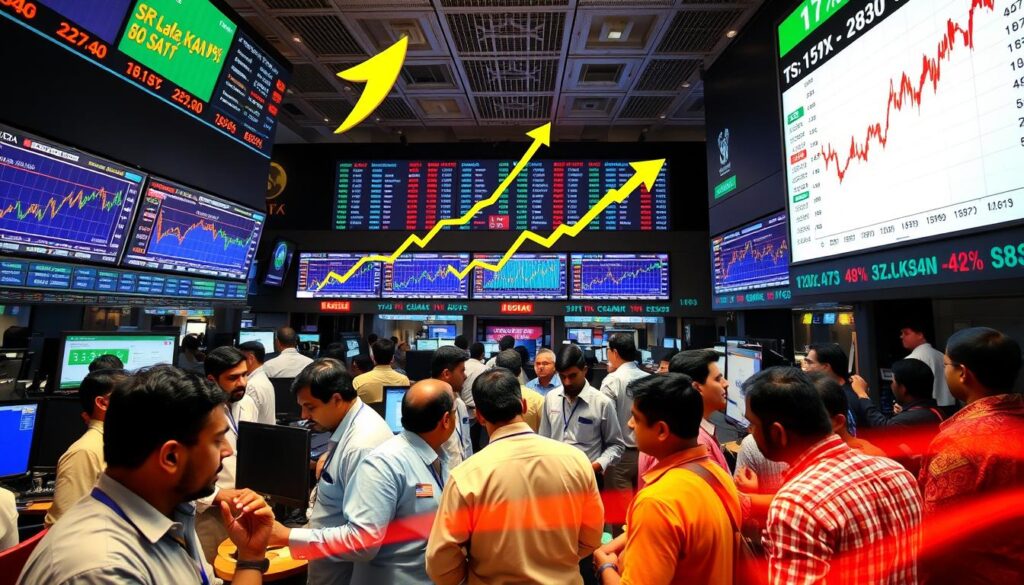
The Sri Lankan stock market showed strong recovery in 2024. The All Share Price Index (ASPI) went up a lot in the first half of the year. This was a big moment for the country’s economic bounce back. It showed investors were feeling good about putting their money in Sri Lanka. The rise in the ASPI index was a sign of growing confidence. It also showed the country’s overall economic improvement.

The economy of Sri Lanka is looking up, according to fiscal data. Government revenue jumped from Rs. 1,448 billion in 2022 to Rs. 2,110 billion in 2023. Meanwhile, tax revenue went from Rs. 1,283 billion to Rs. 1,934 billion. At the same time, government spending increased a lot. This was to help the economy grow more.

The country sold less abroad, with exports dropping. However, the tourism sector saw a lot more visitors. This showed the world is trusting Sri Lanka more. There was also a big increase in money sent home by workers abroad. This helped improve the country’s financial health overall.

The recovery of the stock market was helped by better monetary conditions. The interest rates banks charge each other fell significantly. And, the returns on short-term government loans also went down. This made it cheaper for people and companies to borrow money. This likely helped the stock market do well, attracting both local and global investors.

Stock Market Recovers, ASPI Gains 15% in First Half of 2024

The 15% increase in the ASPI shows Sri Lanka’s economic progress. These results are good news. But, we need to watch the world’s political and economic changes too. They could affect the market. Still, this positive change gives hope for a strong market and ongoing investments ahead.

Analyzing the Reasons Behind ASPI’s 15% Climb

The All Share Price Index (ASPI) of the Sri Lankan stock market rose by 15% in 2024. This jump shows the impact of different factors. The foreign investment trends, updated economic policies, and sectoral performance together led to this market upturn.

The Impact of Foreign Investment Trends on ASPI

Foreign investment is key to the Sri Lankan stock market. There’s an ongoing change between money coming in and out. Even with a net foreign outflow in 2024, foreign investors bought LKR 100 million worth. This indicates global trust in some market sectors.

How Economic Policies Influenced the Stock Market Recovery

New economic policies have helped the market find stable ground. The 2024 Fiscal Management Report outlines a focus on spending smart and increasing revenue. These actions helped the Sri Lankan stock market find balance, aiding the ASPI’s rise.

Sectoral Performances Driving ASPI’s Surge

Important sectors like financial services helped push the ASPI up. Sectors such as diversified financials, food, beverage, & tobacco, have seen big growth. They played a major part in the ASPI’s 15% increase in 2024.

Sector Contribution to Turnover Percentage of Total Market Turnover
Banking and Financial Services LKR 662 million 30%
Diversified Financials LKR 403 million 18%
Food, Beverage & Tobacco LKR 400 million 18%
Capital Goods LKR 210 million 9%
Consumer Services LKR 173 million 8%

With market capitalization on the rise, it’s evident that specific investments and policies worked together to lift the ASPI. These efforts show the detailed work needed in Sri Lankan stock market analysis. It illustrates how government, sectoral, and global factors combine to boost the market.

Sri Lankan stock market analysis

Stock Market Recovers, ASPI Gains 15% in First Half of 2024

The financial news from Sri Lanka’s stock market is positive. The All-Share Price Index (ASPI) went up by 15% in the first half of 2024. This shows the market and economy are strong. Investors are showing confidence in different sectors, not just one. Banks and John Keells Holdings made big contributions. The S&P 20 index also went up by about 19%, showing great investment chances in the country.

Local money flowing into the market has helped it recover. This is because investment in bonds is giving lower returns. Also, investors are taking less risk. This change matches well with the good news from the International Monetary Fund (IMF). Past financial troubles made the Sri Lankan Rupee drop. But now, the market could go up by 40-60% in the next 18 months. This is if it keeps following the IMF’s advice and gets ongoing investor support.

As people become more hopeful about the market, how Sri Lanka deals with its foreign debt is crucial. If banks do well, we might see changes in the stock market. The market has grown, showing a 9.77% gain recently. Measures of market health look good too. Local players, wealthy individuals, and regular folks have good expectations for mid-2025. They think the market will keep getting better. This is linked to peaceful changes in politics, moving towards the Janatha Vimukthi Peramuna (JVP). The story of Sri Lanka’s economic recovery ties into this political shift. This shows the stock market’s rise is also a sign of the country’s overall strength.