Browsed by
Author:

Sri Lanka Declares Bankruptcy Amidst Economic Crisis 2022

Sri Lanka Declares Bankruptcy Amidst Economic Crisis 2022

Sri Lanka faces its worst economic collapse since 1948. The country’s financial woes have led to sky-high inflation and depleted foreign reserves. Essential goods are scarce, and basic commodity prices have soared.
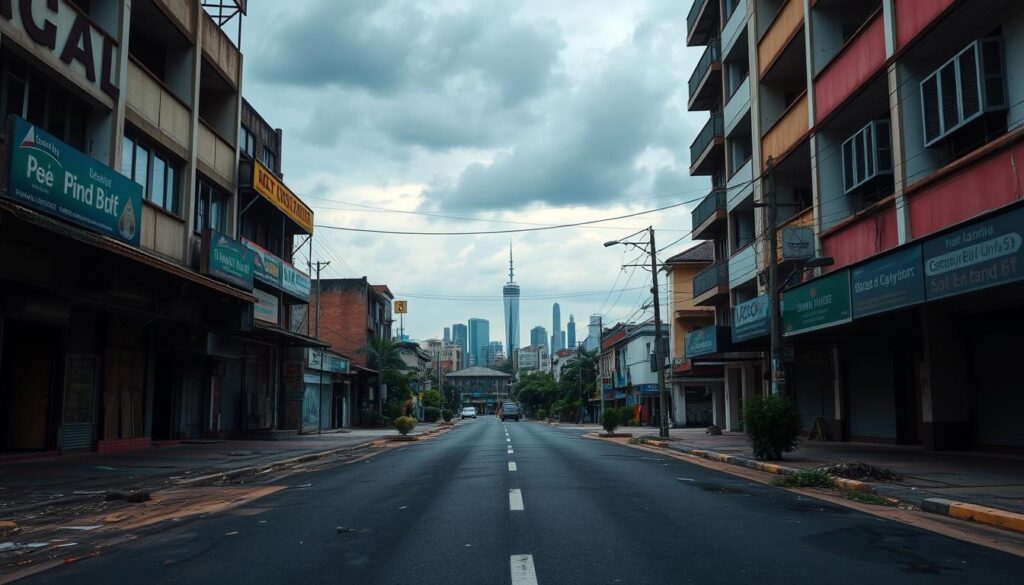
Sri Lanka Declares Bankruptcy Amidst Severe Economic Crisis in 2022

The crisis has sparked nationwide protests and resulted in Sri Lanka’s first sovereign debt default. Prime Minister Ranil Wickremesinghe admitted in parliament that the economy had collapsed.

Political turmoil and poor economic choices have worsened the situation. The Sri Lankan Rupee hit a record low of LKR 368.50 against the US dollar in November 2022.

This represents a 555% annual depreciation. By May 24, 2023, the currency had improved to LKR 305.00. However, economic recovery remains a distant goal.

The country’s heavy reliance on foreign debt and dwindling reserves have contributed to the crisis. Policy missteps have also played a role. These factors have left Sri Lankans bearing the brunt of economic hardship.

Background of Sri Lanka’s Economic Crisis

Sri Lanka’s economic crisis has been brewing for over a decade. The country’s debt-to-GDP ratio has been rising since 2010. Foreign debt skyrocketed from $11.3 billion in 2005 to $56.3 billion in 2020.

The debt as a percentage of GDP jumped from 42% in 2019 to 119% in 2021. This massive debt, along with policy confusion and political turmoil, led to economic collapse.

Sri Lanka debt-to-GDP ratio

The Institute of Policy Studies of Sri Lanka warned about economic risks in 2014. However, the government ignored these economic warnings. Political chaos in 2018 made things worse.

A new government in 2019 scrapped the Central Bank Bill. This bill aimed to free the bank from political meddling and stop money printing.

Mounting Debt and Dwindling Reserves

Sri Lanka’s foreign currency reserves have fallen drastically. They dropped from $7.6 billion in late 2019 to $250 million in early 2022. The country owes $7 billion to China and $1 billion to India.

Sri Lanka faces a yearly deficit of $3 billion due to import-export imbalance. This has made it hard for the country to pay its debts.

Year Foreign Debt (US$ billion) Foreign Debt as % of GDP
2005 11.3
2019 42%
2020 56.3
2021 119%

In 2019, the government slashed taxes, losing $1.4 billion in yearly revenue. This put more strain on the country’s finances. Sri Lanka’s external debt kept growing, with $8.6 billion due in 2022.

These factors pushed Sri Lanka to the edge of bankruptcy. The country now faces a severe economic crisis.

Causes of Sri Lanka’s Economic Collapse

Sri Lanka’s economy crumbled in 2022 due to several factors. Large tax cuts, excessive money printing, and growing foreign debt were key issues. The Gotabaya Rajapaksa government’s tax cuts slashed revenue and worsened fiscal policies.

To cover spending, the Central Bank printed money at record levels. This ignored advice from the International Monetary Fund (IMF). The excess cash led to higher purchasing power and import demand.

As a result, the balance of payments deficit grew. The gap was filled with costly loans from international commercial markets.

Sri Lanka’s Foreign Debt Burden

Sri Lanka’s foreign debt skyrocketed from $11.3 billion in 2005 to $56.3 billion in 2020. It rose from 42% of GDP in 2019 to 119% in 2021. By 2024, external debt reached $37,040 million, 43% of GDP.

The mounting debt and dwindling foreign reserves led to a crisis. In April 2022, Sri Lanka defaulted on its foreign debt obligations.

Year Foreign Debt (USD Billion) Foreign Debt as % of GDP
2005 11.3
2019 42%
2020 56.3
2021 119%
2024 37.04 43%

Credit Rating Downgrade

The economic crisis led to a downgrade in Sri Lanka’s credit rating. International agencies lowered it to default grade. This made it harder for the country to borrow more money.

The credit downgrade worsened Sri Lanka’s economic troubles. It limited access to global financial markets and increased borrowing costs.

These issues played a major role in Sri Lanka’s 2022 economic collapse. Addressing these problems and implementing reforms is crucial for recovery and future stability.

Sri Lanka Declares Bankruptcy Amidst Severe Economic Crisis in 2022

In 2022, Sri Lanka faced a dire financial situation. Prime Minister Ranil Wickremesinghe declared the country “bankrupt” during an unprecedented economic crisis. The nation’s foreign exchange reserves dropped to $2.31 billion by February.

Sri Lanka owed around $4 billion in debt repayments that year. This included a $1 billion international sovereign bond due in July. The country struggled to meet these obligations.

Foreign reserve depletion left Sri Lanka with less than a day’s worth of fuel. Schools suspended operations, and citizens faced severe fuel shortages. Food insecurity became widespread due to the economic collapse.

Sri Lanka defaulted on its debt for the first time since 1948. The country spent 9.2% of its GDP on foreign debt payments in 2022 alone.

Inability to Pay Foreign Debt Obligations

Sri Lanka’s total debt burden reached $51 billion. The nation owed about $29 billion from July 2021 to 2026. It couldn’t meet debt repayments, including a $78 million coupon payment on two bonds.

Prime Minister Acknowledges Economic Collapse

Wickremesinghe’s bankruptcy statement highlighted challenges in IMF negotiations. Sri Lanka entered talks as a bankrupt nation, not a developing one. This made economic recovery uncertain and difficult.

The crisis deeply affected Sri Lanka’s 21.8 million people. The UN reported that four out of five people now skip meals. Sri Lanka has South Asia’s second-highest child malnutrition rate, after Afghanistan.

Conclusion

Sri Lanka’s financial crisis stems from years of economic mismanagement, excessive debt, and global crises. The country’s GDP shrunk by 7.1% in 2022’s first three quarters. Inflation peaked at 70% in September 2022 but dropped to 54% by January 2023.

The government seeks IMF and international aid to tackle the crisis. Sri Lanka owes $51 billion externally, with 13 banks on rating watch negative. It’s among the world’s biggest loan defaulters, making the IMF bailout crucial.

The UN warns of a looming humanitarian crisis in Sri Lanka. About 500,000 more people now depend on aid. The country faces severe shortages of essentials like food, fuel, and medicine.

The financial crisis has pushed many into poverty. Predictions suggest a 10.9 percent poverty rate by 2021, equal to $3.20 per day.

Sri Lanka must prioritize its citizens’ well-being and address the crisis’s root causes. This includes reforms, improving transparency, and working with international partners. Only then can Sri Lanka build a more stable and prosperous future.

Sri Lanka Makes Condé Nast’s Top Travel Spots for 2024

Sri Lanka Makes Condé Nast’s Top Travel Spots for 2024

Sri Lanka has secured a spot among the best places to visit in 2024. Condé Nast Traveler, a prestigious luxury travel magazine, recognized the island’s unique appeal. Sri Lanka’s blend of natural beauty, cultural heritage, and emerging travel experiences caught their attention.

Sri Lanka’s tourism is bouncing back stronger than ever. The focus is on sustainable growth and showcasing diverse attractions. From tea-filled highlands to palm-fringed shores, Sri Lanka offers authentic encounters and luxurious escapes.

Condé Nast Traveler’s endorsement highlights Sri Lanka’s resilience and appeal. This recognition will likely drive increased interest from affluent, independent travelers. The magazine’s global audience is sure to take notice of Sri Lanka’s inclusion.

Key Takeaways

  • Sri Lanka named one of the best places to visit in 2024 by Condé Nast Traveler
  • Luxury travel magazine highlights Sri Lanka’s natural beauty, cultural heritage, and emerging experiences
  • Sri Lanka tourism rebounds with focus on sustainability and showcasing diverse attractions
  • Endorsement from influential publication to drive increased interest and bookings
  • Tea-filled highlands and palm-fringed shores offer range of authentic encounters and luxurious escapes

Condé Nast Traveller Highlights Sri Lanka’s Allure

Sri Lanka has caught the eye of Condé Nast Traveller as a top travel spot for 2024. The island nation blends luxury, wellness, and eco-friendly experiences. South and Central Sri Lanka are especially captivating regions.

Sri Lanka Ranks Among Best Places to Go in 2024

Condé Nast Traveller readers have given Sri Lanka high praise. In the 2021 Readers’ Choice Awards, Sri Lanka scored 93.96 out of 800,000 responses. This tops its previous year’s rating of 91.79.

The recognition shows Sri Lanka’s appeal to global travelers. Many seek authentic experiences and off-the-beaten-path adventures here.

Focus on South and Central Sri Lanka

South and Central Sri Lanka lead the country’s tourism revival. These areas offer natural beauty, cultural heritage, and luxury stays. Travelers can explore UNESCO-listed Galle Fort and lush tea plantations in Hatton.

The region’s appeal grows with new offerings. Meraki, a nine-room eco-friendly retreat in Matara, opens in early 2024.

Destination Attraction Opening Date
Galle Galle Literary Festival January 2024
Galle Gourmet Galle Food Festival January – March 2024
Matara Meraki Retreat Early 2024

Luxury and Wellness Boom from Tea-Filled Highlands to Palm-Fringed Shores

Sri Lanka’s tourism is shifting to experience-based models for high-value tourists. The tea-filled highlands offer serene escapes for wellness seekers. Hotel Ceylon Tea Trails in Hatton is a prime example.

The south coast boasts pristine beaches and luxurious resorts. A new Hilton resort near Yala National Park adds to the coastal allure.

Sri Lanka Among Condé Nast Traveller’s ’24 Best Places to Go in 2024

Sri Lanka has earned a spot in Condé Nast Traveller’s “The 24 Best Places to Go in 2024”. The island’s south and central regions blend surf and wellness cultures. Sri Lanka is focusing on sustainable tourism to protect its natural wonders.

Emerging Phoenix-Like from Economic Crisis with New Attractions

Sri Lanka is bouncing back from economic setbacks with exciting new attractions. The country boasts 22 national parks, showcasing diverse plant and animal species. Sri Lanka’s eco-friendly practices ensure its natural treasures remain pristine for future generations.

Food Festivals, Wellness Retreats, and Historic Hiking Trails

Sri Lanka is launching a new food festival, wellness retreats, and a historic hiking trail. The Pekoe Trail, completed in 2023, spans 186 miles through the Central Highlands. This path takes adventurers through local villages, tea plantations, and holy shrines.

Destination Recognition
Sri Lanka Top 3 must-visit destinations for summer ’24 by Forbes
Featured in Condé Nast Traveller’s “The 24 Best Places to Go in 2024”
Included in Travel + Leisure’s “The 50 Best Places to Travel in 2024”
Mirissa Beach, Sri Lanka Recognized among Tripadvisor’s “Best of the Best Beaches” for 2024

Global tourism is rebounding, reaching 97% of pre-pandemic levels in the first quarter. Sri Lanka is ready to attract a big share of the 285 million international travelers. The country offers authentic experiences for those seeking memorable journeys.

Conclusion

Sri Lanka’s recognition by Condé Nast Traveller as a top destination for 2024 highlights its resilience. The country has bounced back from economic challenges, offering diverse attractions to visitors. From food festivals to wellness retreats, Sri Lanka caters to various interests.

Tourist arrivals have steadily increased, with India being the largest source market. In just five months, Sri Lanka welcomed over 864,000 tourists. This surpasses half of the previous year’s visits during the same period.

The island nation’s popularity on social media platforms is soaring. Millions of TikTok views and Instagram hashtags showcase its appeal to travelers worldwide.

Sri Lanka prioritizes visitor safety through implemented measures. Fully vaccinated travelers can enter with a negative PCR test, avoiding quarantine. Non-vaccinated visitors must follow specific guidelines to ensure everyone’s well-being.

The country actively participates in regional tourism initiatives. Its involvement in the BIMSTEC Network of Tour Operators demonstrates commitment to industry growth. This collaboration fosters partnerships with neighboring nations, boosting tourism prospects.

Sri Lanka’s inclusion in Condé Nast Traveller’s list opens doors for growth. It attracts international brands and creates new business opportunities. The country is set to become a must-visit destination, contributing to its economic expansion.

Sri Lanka’s Poverty Rate Rises to 25% Amid Economic Turmoil

Sri Lanka’s Poverty Rate Rises to 25% Amid Economic Turmoil

Sri Lanka faces a severe economic crisis, causing a sharp rise in poverty. The country’s poverty rate has doubled since 2019, reaching 25% in 2023. Five million Sri Lankans now live below the poverty line.

Middle-income poverty now affects over 25% of the population. More than 17% face food insecurity, needing humanitarian aid. Malnutrition rates among children under five have hit 31%.

Unemployment rates are high, reaching 9.6% overall and 20% for youth. Northern and eastern regions face even higher rates, around 10-12%. Food inflation peaked at over 90% in 2022, worsening the situation.

The government is working towards economic recovery. They’ve implemented the IMF Extended Fund Facility program, providing $336 million. The new Central Bank Act aims to ensure independence and prevent money printing.

Recovery remains challenging. The IMF forecasts slow growth: 2% in 2024 and 2.7% in 2025. To reduce poverty, Sri Lanka needs growth rates over 6%.

Political risks loom with upcoming elections. These uncertainties could impact Sri Lanka’s economic policies. The road to recovery is long and complex.

Key Takeaways

  • Sri Lanka’s poverty rate has risen to 25% amid the economic crisis, with five million people living below the poverty line.
  • Food insecurity affects over 17% of the population, and 31% of children under five suffer from malnutrition.
  • Unemployment rates remain high, particularly among the youth and in the northern and eastern regions.
  • The government is implementing measures to stabilize the economy, including the IMF Extended Fund Facility program and the Central Bank Act.
  • Economic recovery faces challenges, with the IMF forecasting tepid growth rates and political uncertainties looming.

World Bank Supports Sri Lanka’s Development Goals

The World Bank aids Sri Lanka’s development in education, health, and social protection. These efforts aim to boost economic growth and reduce poverty. Sri Lanka’s poverty rate hit 25% during recent economic troubles.

Education Sector Interventions and Key Results

The World Bank develops human capital across all education levels. The Early Childhood Development Project has helped 1.5 million children. The General Education Modernization project has improved learning for 1.3 million students.

These programs equip Sri Lanka’s youth with vital skills. They are crucial for driving future economic growth and development.

Health Sector Interventions and Key Results

The World Bank strengthens primary healthcare and COVID-19 response in Sri Lanka. It provided $21.6 million for essential medicines and supplies. This ensures access to critical healthcare during challenging times.

Investing in citizens’ health remains a top priority. It’s crucial as Sri Lanka recovers from its economic crisis.

Social Protection Reforms and Emergency Response

The World Bank is reforming Sri Lanka’s social safety net. A $75 million project aims to create a more effective social protection system. A $145 million emergency package supports the most vulnerable households.

These efforts help mitigate rising poverty levels. They ensure no one is left behind as Sri Lanka rebuilds its economy.

The recent strengthening of the Sri Lankan Rupee is a positive sign. The record-breaking paddy harvest in the 2024 Yala season shows the country’s resilience. These developments highlight Sri Lanka’s potential for recovery.

Sri Lanka’s Poverty Rate Rises to 25% Amid Economic Turmoil

Sri Lanka’s economic crisis has hit its population hard. The poverty rate jumped to 25% in 2022, up from 11% in 2019. The World Bank expects poverty to stay above 20% for the next few years.

Food insecurity has become widespread. Over 17% of people need humanitarian aid in 2023. Alarmingly, 31% of children under five are malnourished.

Economic Crisis Leads to Spike in Poverty Levels

Misgovernance and lack of accountability have fueled Sri Lanka’s economic woes. The reversal of the organic farming policy added to the country’s challenges. The IMF provided a loan in March 2023, opening doors for more funding.

The IMF program aims to boost government revenues and fight corruption. It also focuses on improving social welfare for the citizens.

Inflation and Food Insecurity Exacerbate Poverty

Inflation has worsened poverty in Sri Lanka. The Central Bank wants to keep inflation below 5% in 2024. However, it may rise as demand increases.

Sri Lanka has made progress in poultry production. The article “Sri Lanka Achieves Self-Sufficiency in Poultry” highlights this achievement. Yet, ensuring food security for all remains a challenge.

Government Policies and Debt Restructuring Efforts

President Ranil Wickremesinghe’s government faces criticism for its crisis management. It has used repressive laws to silence critics. The administration is also accused of failing to address corruption.

Despite challenges, the government is working on debt restructuring. It’s implementing policies to boost exports and attract foreign investment. The focus is also on tackling poverty and financial sector vulnerabilities.

The World Bank projects Sri Lanka’s economy to grow by 3.5% in 2025. However, crucial reforms are needed for sustainable growth and poverty reduction.

Bus Accident in Badulla: Two University Students Dead, 39 Injured

Bus Accident in Badulla: Two University Students Dead, 39 Injured

In a tragic incident on the Mist-laden roads of Badulla, a road accident highlighted Sri Lanka’s road safety issues. Early morning, on the Badulla-Mahiyangana highway, a bus filled with young dreams had a terrible accident.

General Sir John Kotalawala Defence University (KDU) is grieving the loss of two students. This accident is a sharp reminder of how uncertain road travel can be. The bus accident in Badulla shocked the nation, with 39 injured fighting for their lives in Badulla Hospital.

The accident happened around 7:45 a.m. between the third and fourth-kilometer posts. The bus, carrying KDU members, went off the road. This raises concerns about vehicle safety and road conditions. On board were university students dead, teachers, and military personnel who faced a horrific incident as the bus crashed.

Bus Accident in Badulla: Two University Students Dead, 39 Injured

Local people and emergency teams worked hard to help the injured. Ambulances rushed the victims to Badulla Teaching Hospital for urgent care. Six seriously hurt people are in the ICU. Others are getting ready for surgery.

Early findings suggest a technical problem caused this tragic event. Sri Lanka news is keeping everyone updated. OMP Sri Lanka is working hard to uncover the truth behind this sad story.

The Response to the Bus Crash: Rescue Efforts and Medical Treatment

Right after the tragic bus crash in Badulla, rescue efforts began quickly. The Badulla Municipal Fire Brigade and local emergency services joined forces. Their prompt action helped reduce harm and get the injured help fast.

Emergency Services’ Swift Action

The emergency teams responding to the bus crash were from different units. This included the local police and the army. They worked with the fire brigade to secure the site and help victims. Their quick and efficient efforts meant survivors got the help they needed without delay.

Hospitalization and Treatment of the Injured

A total of 39 victims received transport to the Badulla hospital. They had injuries ranging from minor to critical. Dr. Palitha Rajapakse led the medical team into action. Eight patients needed intensive care, which shows the crash’s severity.

Investigations into the Cause of the Accident

Early investigations point to brake failure as the cause of the crash. Authorities are still looking into it. They want to find out exactly what happened. This will help prevent similar accidents in the future.

In other news, financial stability measures are helping the country’s economy. This includes the Sri Lankan Rupee growing stronger against the US Dollar. Such growth can help improve public safety with more funding and better emergency services.

Badulla Bus Crash

Event Details
Bus Crash Victims hospitalized 39
Immediate Fatalities 2 university students
Critical Condition 5 admitted to ICU
Investigation Cause Brake failure suspected

Following this disaster, Sri Lanka is showing commitment to safety in different sectors. This includes collaborative projects like the one between the FAO and Norway to enhance fisheries. It demonstrates a national effort to improve readiness for emergencies.

Impact on the University Community: Sir John Kotalawala Defence University Mourns

The tragic bus accident in Badulla has greatly affected the Sir John Kotalawala Defence University. Two members of our university have died, and 39 students are injured. The university is now a place of deep sorrow and mourning.

The sadness reaches across students from all over the country. They are united in their grief and support for each other during this tough time. It’s a moment for remembrance and collective healing.

The university is closely looking after the injured students. We are ready to help them heal, both body and mind. The tragic accident has made us think about how to keep students safe on future trips and activities.

We’re dedicating ourselves to enhancing student safety measures. It’s crucial not just to mourn but to learn and improve protection for our students.

Despite the tragedy, Sri Lanka continues to push forward. The partnership between FAO and USAID marks progress in agriculture for the country. This reflects the nation’s commitment to thriving and overcoming challenges.

As the Sir John Kotalawala Defence University grieves, it remains part of the national effort. Together, we strive for resilience and growth amidst adversity.

Korean Cultural Festival 2022 Enthralls Sri Lankan Audiences

Korean Cultural Festival 2022 Enthralls Sri Lankan Audiences

Sri Lanka recently hosted the Korean Cultural Festival 2022. The event showcased South Korea’s rich heritage and promoted cultural exchange. Sri Lankans flocked to experience vibrant Korean traditions and contemporary culture.

The festival featured traditional dance, Taekwondo demos, and Korean cuisine. It aimed to boost South Asian appreciation for Korean culture. This event strengthened bonds between the two nations.

Yohani's Debut Album 'Kella' Submitted for Grammy Consideration

Attendees marveled at graceful Korean dance performances. Dancers in colorful hanbok attire moved with precision and expression. Their storytelling through movement captivated the audience.

Taekwondo displays added thrills to the festival. Skilled martial artists showed off impressive kicks and acrobatic moves. These demonstrations highlighted the discipline of this iconic Korean art.

Key Takeaways

  • The Korean Cultural Festival 2022 showcased traditional Korean dance, Taekwondo, and cuisine to Sri Lankan audiences.
  • The event promoted cultural exchange and strengthened ties between South Korea and Sri Lanka.
  • Traditional Korean dance performances captivated attendees with their grace and elegance.
  • Taekwondo demonstrations highlighted the discipline and athleticism of this iconic Korean martial art.
  • The festival served as a platform for cultural crossover and enhanced South Asian representation of Korean culture.

Festival Highlights: Showcasing Korean Culture and Traditions

The Korean Cultural Festival 2022 in Sri Lanka celebrated Korea’s rich cultural heritage. It offered a diverse array of events and experiences. The festival attracted visitors from local and regional areas.

This event encompassed cultural, political, arts, business, educational, sport, and recreational aspects. It provided a comprehensive showcase of Korean traditions and modern innovations.

Traditional Korean Dance Performances

Mesmerizing traditional Korean dance performances were a main attraction. These showcased the grace and elegance of Korea’s dance heritage. Colorful costumes and enchanting music captivated audiences.

Dancers’ precise movements brought ancient Korean tales to life. Their expressions conveyed deep emotions and stories. This offered a glimpse into Korea’s rich cultural tapestry.

Taekwondo Demonstrations

Awe-inspiring Taekwondo demonstrations were another highlight. Skilled practitioners displayed strength, agility, and discipline in this Korean martial art. These performances entertained and showcased the dedication required to master Taekwondo.

Korean Culinary Delights

The festival offered a taste of authentic Korean dishes. Visitors savored kimchi, bibimbap, and Korean barbecue prepared by skilled chefs. Aromatic flavors and vibrant colors enhanced the overall sensory experience.

The Korean Cultural Festival 2022 in Sri Lanka was a success. It showcased the best of Korean culture and traditions. The event engaged visitors with diverse experiences and immersive technology.

Yohani’s Debut Album ‘Kella’ Submitted for Grammy Consideration

Yohani, Sri Lanka’s music star, has made history. Her debut album ‘Kella’ is up for the 67th Annual Grammy Awards. It’s the first Sinhala album in the Best Global Music Album category.

‘Kella’ dropped on December 8, 2023. It shows off Yohani’s talent and Sri Lankan musical heritage. The album has 14 tracks: 11 in Sinhalese and 3 in English.

Dilanjan Seneviratne led the creative process. He produced and wrote lyrics for seven tracks. This ensured top-notch quality and heartfelt words.

Sound engineer Misjah mastered ‘Kella’ in the Netherlands. This move helped the album meet global standards. It shows Yohani’s aim to deliver world-class Sri Lankan music.

Yohani’s future looks bright. She’s teaming up with Moroccan artist 7aliwa. Her second album is set for early 2025. Fans can catch her live soon.

The Ballad of Warriors Show is on November 7, 2024. Her first solo concert in Sri Lanka happens on January 18, 2025.

Yohani’s success has put Sri Lankan music on the map. She’s opened doors for other talented artists. Her achievements inspire upcoming musicians in the country.

Strengthening Cultural Ties Between South Korea and Sri Lanka

The Korean Cultural Festival 2022 in Sri Lanka boosted cultural exchange between the two nations. It showcased Korean dance, Taekwondo, and cuisine. This event helped Sri Lankans appreciate South Korean traditions and arts better.

Yohani’s debut album ‘Kella’ was submitted for Grammy consideration. Her success inspires Sri Lankan artists and shows potential for global recognition. This opens doors for more cultural partnerships between South Korea and Sri Lanka.

The cultural bond goes beyond entertainment. Sri Lanka’s record-breaking paddy harvest in 2024 Yala ensures food security. This progress in farming creates opportunities for knowledge sharing with South Korea.

Stronger ties between South Korea and Sri Lanka lead to cooperation in various sectors. These include tourism, education, and technology. Exchanging ideas and resources will foster mutual growth and deeper cultural understanding.