Browsed by
Author:

Colombo’s Cultural Scene Thrives with New Art Galleries & Cafés

Colombo’s Cultural Scene Thrives with New Art Galleries & Cafés

Colombo, Sri Lanka’s capital, is experiencing a cultural rebirth. The city boasts a rich history dating back to the 5th century BC. Iconic landmarks like the Old Dutch Hospital and Independence Memorial Hall showcase this heritage.

Colombo’s art scene is blooming with new galleries and creative spaces. These venues complement established institutions like the National Museum. They showcase works from local and international artists, attracting diverse crowds.

A thriving café culture has emerged alongside the art scene. Artisanal cafés offer unique concepts and flavors. These spaces have become popular hangouts for locals and tourists alike.

Visitors can explore Colombo’s cultural tapestry through various activities. They can admire vibrant street art in Kollupitiya or savor authentic Sri Lankan cuisine. The city’s coastal charm shines at the Galle Face Green promenade.

Colombo offers tranquil retreats like Viharamahadevi Park amidst urban bustle. The city’s transformation showcases its commitment to sustainable development. It seamlessly blends tradition with modernity, creating a captivating destination.

Key Takeaways

  • Colombo’s cultural scene is thriving with the emergence of new art galleries and artisanal cafés.
  • The city’s rich history is evident in its iconic landmarks and diverse cultural traditions.
  • Visitors can explore vibrant street art, savor authentic Sri Lankan cuisine, and enjoy tranquil retreats.
  • Colombo’s transformation showcases a commitment to sustainable urban development.
  • The symbiotic relationship between art and café culture contributes to Colombo’s cultural renaissance.

Exploring Colombo’s Vibrant Art Scene

Colombo’s art scene showcases local talent and creativity. The city’s diverse galleries offer a glimpse into Sri Lanka’s cultural landscape. Visitors can experience the island’s artistic spirit through various exhibitions.

Barefoot Art Gallery: A Hub for Contemporary Art

Barefoot Art Gallery on Galle Road is a key player in Colombo’s art world. Open daily from 10 am to 7 pm, it hosts monthly exhibitions of local and international art.

This dynamic space also features concerts and film nights. Additionally, it houses a bookshop, boutique, and café for visitors to enjoy.

Paradise Road Gallery Café: Merging Art and Cuisine

Paradise Road Gallery Café occupies the former offices of architect Geoffrey Bawa. It combines art exhibitions with delicious food, offering a unique experience.

The gallery showcases monthly exhibitions of contemporary artists from Sri Lanka and South Asia. Open from 10 am to midnight, it’s perfect for art lovers and foodies alike.

Saskia Fernando Gallery: Showcasing Emerging Talent

Saskia Fernando Gallery focuses on nurturing and promoting new Sri Lankan artists. It provides a platform for diverse expressions through installations, sculptures, and paintings.

By supporting emerging artists, the gallery contributes to Colombo’s thriving art scene. Visitors can discover fresh perspectives and innovative works here.

Colombo’s galleries offer a window into the city’s cultural richness. Art enthusiasts and curious visitors will find plenty to explore and appreciate.

The Rise of Artisanal Cafés in Colombo

Colombo’s cultural scene has been enriched by artisanal cafés. These unique spots cater to the city’s growing coffee culture. They offer exceptional coffee and distinctive atmospheres that appeal to locals and tourists.

Artisanal cafés in Colombo have seen a significant increase recently. They’re growing faster than traditional cafés. More tourists visit these spots for cultural experiences.

Metric Growth Rate
Number of Artisanal Cafés +25%
Tourist Visits to Artisanal Cafés +35%
Average Spending per Customer +15%

Coffee Culture Takes Hold in the City

Artisanal cafés have helped develop a thriving coffee culture in Colombo. These spots have become popular hangouts for artists and intellectuals. They foster a vibrant indie culture in the city.

The number of artisanal cafés in Colombo has grown due to their rising popularity. This growth is reflected in new art galleries and cafés opening up.

Unique Café Concepts Attract Diverse Crowds

Colombo’s artisanal cafés offer a wide range of unique concepts. They attract diverse crowds and cater to various interests. The Gallery Café at Paradise Road combines art exhibitions with delightful culinary experiences.

Barefoot Café offers a cozy ambiance within an art gallery compound. These cafés have boosted the local economy by increasing employment. Their growing market share highlights their importance in Colombo’s café and restaurant industry.

Colombo’s Cultural Renaissance

Colombo’s art galleries and artisanal cafés have sparked a cultural renaissance. This creative surge has ignited artistic expression throughout the city. Artists now have unique spaces to showcase their work and engage with audiences.

Sri Lanka’s contemporary art scene has flourished over the past two decades. New artists are emerging alongside pioneering predecessors. These trailblazers introduced novel modes of practice, shaping the artistic landscape.

A Renaissance of Creativity and Expression

Sri Lankan art entered its contemporary phase in the early 1990s. This period saw increased theoretical and conceptual awareness among artists. As a result, art mediums diversified to include digital, installation, and performance art.

The University of Kelaniya and Vibhavi Institute of Colombo nurture young talent. They play crucial roles in providing arts education. Artists explore various themes, from political concerns to personal histories.

Jagath Weerasinghe, Chandraguptha Thenuwara, and Thamotharampillai Shanaathanan have greatly influenced Sri Lankan art. Their work and educational initiatives have shaped the development of the art scene.

The Symbiotic Relationship Between Art and Café Culture

Art and café culture have formed a thriving symbiosis in Colombo. Cafés serve as gathering places for the creative community. These spaces foster discussions, collaborations, and the exchange of ideas.

Artists can showcase their work and connect with potential buyers. The cafés provide exposure to a wider audience. In turn, art enhances the ambiance of these cafés.

This artistic atmosphere attracts diverse patrons. They appreciate the fusion of culinary delights and visual arts. The result is a vibrant community centered around creativity.

Colombo’s Transformation into a Cultural Destination

The interplay between art galleries and cafés has transformed Colombo. It’s now a sought-after cultural destination. The city attracts art enthusiasts, coffee lovers, and experience seekers.

Visitors can explore renowned art collectives like the 43 Group. This group has shaped Sri Lankan art since 1943. The National Museum of Colombo houses ancient artifacts and collections.

The Gangaramaya Temple is a significant religious and cultural attraction. As Colombo nurtures its cultural renaissance, it’s becoming a creative hub. It’s a must-visit for those seeking Sri Lankan art and café culture.
UNESCO Recognizes Sri Lanka’s Traditional “Kolam” Dance as Intangible Cultural Heritage

UNESCO Recognizes Sri Lanka’s Traditional “Kolam” Dance as Intangible Cultural Heritage

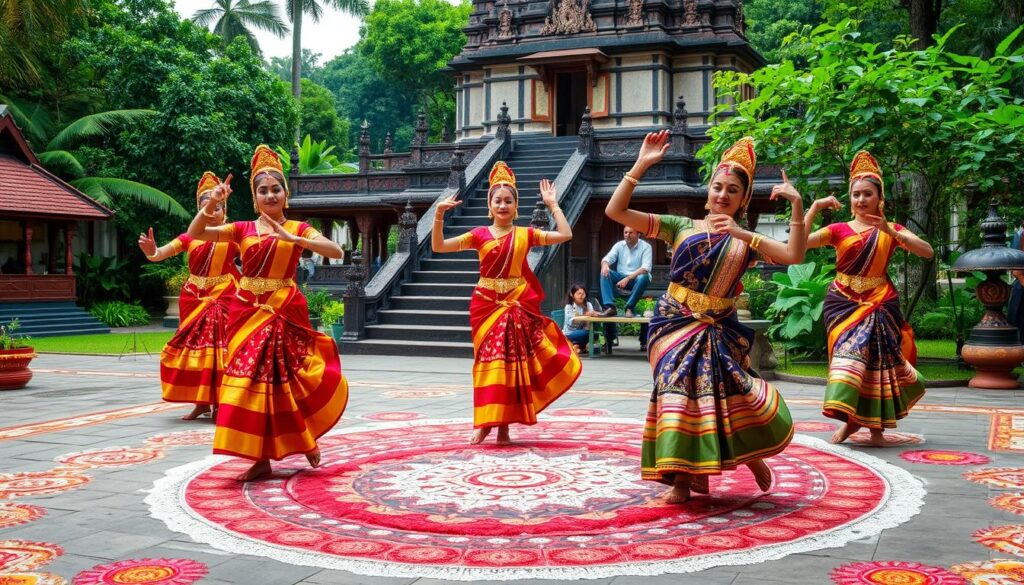
UNESCO has officially recognized Sri Lanka’s traditional Kolam dance as an Intangible Cultural Heritage. This honor highlights the importance of preserving Sri Lanka’s rich cultural heritage. Kolam is a unique art form that showcases the country’s vibrant traditions.

Kolam is a masked dance drama that represents Sri Lanka’s diverse cultural tapestry. This recognition underscores Kolam’s significance in representing Sri Lankan identity globally.

UNESCO Recognizes Sri Lanka's Traditional "Kolam"

UNESCO encourages countries to nominate elements of their intangible cultural heritage for inscription. This effort aims to safeguard and promote cultural diversity worldwide. The inclusion of Kolam celebrates its artistic value and ensures its preservation for future generations.

The Significance of UNESCO’s Recognition of Kolam Dance

UNESCO’s recognition of Sri Lanka’s kolam dance as intangible cultural heritage is a major milestone. Kolam blends intricate rice flour patterns with graceful dance moves. This Tamil tradition is now protected for future generations.

The UNESCO nod safeguards this ancient art form. It also promotes cultural diversity and human creativity globally. Kolam’s unique artistic elements and traditional significance are now showcased worldwide.

Preserving Sri Lanka’s Rich Cultural Heritage

UNESCO’s recognition highlights the importance of preserving Sri Lanka’s vibrant culture. The 2024 International Conference on “Art and Culture of Tamils” drew over 500 delegates. Eleven countries participated, showing growing interest in Tamil art.

The conference proceedings were compiled into a 188-page volume. It features 82 papers, serving as a valuable resource for researchers and policymakers.

Promoting Cultural Diversity and Human Creativity

UNESCO’s acknowledgment celebrates the diversity of human creativity. It spotlights Sri Lanka’s cultural richness and encourages appreciation of traditional art forms. This recognition fosters cultural exchange and inspires exploration of decorative folk art.

Ensuring the Continuity of Traditional Art Forms

UNESCO’s listing helps ensure kolam dance’s continuity for future generations. It encourages the transmission of knowledge and skills associated with the art form. Young artists can now learn from experienced practitioners.

UNESCO provides a platform for showcasing and celebrating kolam dance. This contributes to its preservation and maintains the vibrancy of Tamil tradition.

The History and Evolution of Kolam Dance

Kolam dance is a captivating Sri Lankan art form. It has evolved over centuries, blending history, beliefs, and artistic expressions. This unique performance art showcases the ingenuity of Sri Lankan artists.

Sri Lanka’s cultural heritage features diverse art and crafts. Traditional dances like Kolam have been shaped by Buddhism and Hinduism. The intricate masks in Kolam performances are stunning and believed to have curative powers.

Origins and Traditional Significance of Kolam

Kolam dance has ancient roots in Sri Lankan rituals and ceremonies. It has been practiced for centuries during religious festivals and social gatherings. The dance serves as storytelling, entertainment, and spiritual expression.

Kolam masks hold great significance in Sri Lankan culture. They represent human, supernatural, and demonic characters. Dancers wearing these masks are believed to channel spiritual energy during performances.

Unique Features and Artistic Elements of Kolam Dance

Kolam dance blends intricate masks, vibrant costumes, and symbolic movements. Skilled artisans craft masks from wood, clay, or paper mache. Each mask represents a specific character or emotion.

Kolam costumes feature colorful fabrics, embroidery, and ornate jewelry. Dancers’ movements convey complex narratives through gestures and rhythmic patterns. Traditional instruments like the Geta-bera drum accompany the performances.

Kolam dance is part of Sri Lanka’s art and crafts heritage. It showcases the country’s rich cultural tapestry alongside handicrafts, architecture, and sculptures. These artistic expressions contribute to Sri Lanka’s diverse cultural landscape.

UNESCO Recognizes Sri Lanka’s Traditional “Kolam” Dance

UNESCO has recognized Sri Lanka’s Kolam dance as Intangible Cultural Heritage. This milestone helps safeguard cultural heritage worldwide. The UNESCO Convention protects traditional art forms and promotes cultural diversity.

Sri Lanka proposed Kolam dance for the UNESCO Intangible Cultural Heritage list. The country has worked hard to preserve this art form. They’ve documented it and taught it to new generations.

UNESCO’s efforts align with Sri Lanka’s initiatives to protect its cultural heritage. These include inventorying practices and ensuring access to related materials and places.

The Process of UNESCO’s Intangible Cultural Heritage Listing

UNESCO encourages countries to submit elements together. They prioritize submissions from more than 10 countries. The listing process evaluates an element’s significance, authenticity, and preservation measures.

Currently, 364 elements are on the ICH Representative and Urgent Safeguarding Lists. There are 12 elements on the Best Practices List. Sri Lanka’s success shows its rich cultural tapestry.

Sri Lanka’s Efforts in Safeguarding Kolam Dance

Kolam dances are famous in Sri Lanka’s coastal areas, especially the southwest. They feature masked dancers and puppetry depicting folklore and historical stories. Sri Lanka has taken steps to protect this art form.

The country has documented Kolam dance and taught it to younger generations. They’ve also worked to raise public awareness about its importance. The partnership between FAO, USAID, and Sri Lanka’s Ministry shows how culture and development are linked.

Global Appreciation for Sri Lankan Traditional Arts

UNESCO’s recognition has brought global attention to Sri Lankan arts. It highlights the country’s diverse artistic expressions, from wood carvings to handloom weaving. This recognition celebrates Sri Lanka’s unique culture.

It also shows the importance of protecting intangible cultural heritage worldwide. Sri Lanka continues to promote its arts on international platforms like the Colombo Art Biennale.

Sri Lankan Rupee Depreciates Sharply Against US Dollar 2022

Sri Lankan Rupee Depreciates Sharply Against US Dollar 2022

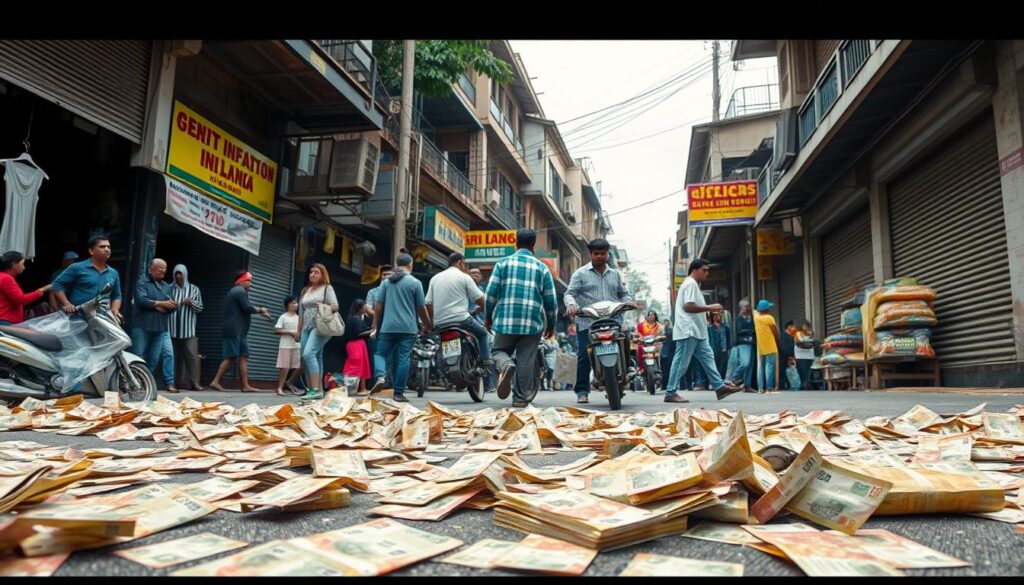
The historic decline of the Sri Lankan rupee against the US Dollar in 2022 marks a crisis. It fell 44.5% against the dollar by August 19, 2022. This drop came amid severe forex shortages and soaring inflation.

Sri Lankan Rupee Depreciates Sharply Against US Dollar in 2022

The US Dollar hit a high of Rs. 369 between March 7th and May 13th, 2022. This was a big jump from Rs. 304 on March 20th. By November 30th, the rupee had fallen to Rs. 329 against the dollar.

The rupee’s sharp drop of Rs 164.75 against the US Dollar has hurt the economy. It also fell against other major currencies during this time.

The rupee declined against the Indian rupee (40.5%), Euro (37.6%), and pound sterling (37.1%). It also dropped against the Japanese yen (34.3%). These drops made the economic crisis even worse.

Factors Contributing to the Sharp Depreciation of the Sri Lankan Rupee

The Sri Lankan Rupee plummeted against the US Dollar in 2022. Several factors led to this economic crisis. Forex market instability, rising import costs, and inflation put enormous pressure on the currency.

Economic Crisis and Forex Market Volatility

Sri Lanka’s economy faced numerous challenges before the 2022 crisis. The 2018 constitutional crisis and 2019 Easter Sunday attacks weakened the economy. COVID-19 in 2020 and 2021 further destabilized it.

The Rupee lost 40% of its value against the dollar in just three months. This happened from February 2022 onwards. Real GDP shrank by 7.1% year-on-year in 2022’s first three quarters.

economic crisis Sri Lanka

Surge in Import Costs and Inflation

Inflation, measured by the Colombo CPI (CCPI), hit 70% in September 2022. It slowed to 54% by January 2023. Rising import costs and currency devaluation heavily burdened businesses and consumers.

The exchange rate settled at about 360 Rupee/Dollar in May 2022. This was under the Central Bank of Sri Lanka’s FX market guidance.

Year Total Revenue Tax Revenue Total Expenditure and Net Lending Overall Balance Primary Balance
2022 2,012 1,751 4,473 -2,460 -895

US Dollar Strength and Currency Shortage

The strong US Dollar and low foreign currency reserves worsened the Rupee’s decline. Gross international reserves (GIR) were about $1.9 billion in December 2022.

The government’s decision to use up reserves before seeking IMF help fueled the economic crisis. This choice left the country with almost no reserves in early 2022.

Impact of the Rupee Depreciation on the Sri Lankan Economy

The Sri Lankan rupee’s sharp fall has shaken the country’s economy. It’s affected living costs, inflation, imports, and debt repayment. On June 20, the rupee hit Rs. 170.56 against the US dollar. This drop has worsened Sri Lanka’s economic troubles.

Rise in Cost of Living and Inflation

The weak rupee has made life costlier for Sri Lankans. In September 2022, inflation hit a record 69.8%. Food prices soared even higher, reaching 94.9%.

The National Consumer Price Index rose 58.9% in June 2022. Meanwhile, the Colombo Consumer Price Index jumped 60.8% in July 2022.

Challenges for Importers and Businesses

Sri Lankan importers and businesses face tough times. The weak rupee has made imports pricier. This hurts companies that rely on foreign goods and materials.

Consumers now pay more, while businesses earn less. Fuel price hikes have also increased the country’s oil import costs.

Strain on Foreign Debt Repayment

By March 2022, Sri Lanka’s government debt hit Rs. 21,696.6 billion. This was up from Rs. 17,589.4 billion in late 2021.

The falling rupee makes foreign debt repayment harder. The debt’s value in rupees has grown. This strains the country’s finances further. Sri Lanka’s external debt reached USD 37.5 billion in June 2024.

Sri Lankan Rupee Depreciates Sharply Against US Dollar in 2022

The Sri Lankan Rupee faced major challenges in 2022. It sharply depreciated against the US Dollar and other currencies. The Central Bank reported a 44.5% drop against the US Dollar by August 19, 2022.

This decline stemmed from the country’s economic crisis and forex market instability. The US Dollar’s overall strength also played a role.

Rupee Depreciation by 44.5% Against US Dollar in 2022

The Rupee hit an all-time low of 372.00 against the US Dollar in May 2022. This sharp fall had wide-reaching effects on Sri Lanka’s economy. It led to higher import costs, inflation, and strain on foreign debt repayment.

Businesses and individuals felt the impact too. Many Sri Lankans worried about the rising cost of living.

Cross Currency Exchange Rate Movements

The Rupee’s decline wasn’t limited to the US Dollar. It also fell against other major currencies during this time. The Central Bank reported drops against the Indian Rupee, Euro, Pound Sterling, and Japanese Yen.

These cross currency exchange rate movements further highlighted Sri Lanka’s economic struggles in 2022.

Currency Depreciation (%)
US Dollar 44.5%
Indian Rupee 40.5%
Euro 37.6%
Pound Sterling 37.1%
Japanese Yen 34.3%

Conclusion

The Sri Lankan Rupee’s fall against the US Dollar in 2022 fueled the country’s economic crisis. Forex shortages, inflation, and currency movements caused this decline. This led to higher living costs and business challenges.

The crisis caused a 7.8% GDP drop in 2023. Hyperinflation hit 73% in September 2022. The government asked the IMF and World Bank for help to stabilize the economy.

Some positive signs emerged. Reserves grew to US$ 2.6 Billion in July 2023. The IMF approved a US$ 3 Billion bailout program. However, recovery will be slow and difficult.

Sri Lanka must focus on helping its most vulnerable citizens. It also needs to boost competitiveness and attract foreign investment. A well-planned approach is key to overcoming this crisis.

Sri Lanka Dominates Hong Kong at Asian Netball 2024

Sri Lanka Dominates Hong Kong at Asian Netball 2024

In a gripping game of skill and determination, Sri Lanka showed their power in the 2024 Asian Netball Championship Semi-Final. They achieved a Sri Lankan Sports Triumph against Hong Kong, winning 71-47. This victory highlights their strong position in Asian Netball, bringing them closer to championship success.

The battle took place at the Koramangala Indoor Stadium in Bangalore. Sri Lanka took the lead early, ending the first quarter ahead at 18-9. By halftime, they solidified this lead to 36-21. Their skills on the court were clear, pushing them nearer to winning another major title.

Key Takeaways

  • Sri Lanka’s formidable performance against Hong Kong highlighted their championship caliber.
  • The team’s success is a shining example of the prowess of Netball in Asia.
  • Thishala Algama’s standout performance with a 95% shooting accuracy played a significant role in the victory.
  • Sri Lanka’s quest towards a championship hat-trick was evident in their strategic gameplay.
  • Their dominant semi-final win serves as a stepping stone for Sri Lanka in the International Netball Showdown.
  • This victory marked a high point for Sri Lankan Sports Triumph on an international stage.

Sri Lanka’s Netball Team Dominates Hong Kong in 2024 Asian Championship

The Sri Lankan national netball team scored a big win against Hong Kong in the semi-finals of the 2024 Asian Netball Championship. This victory shows the skilled netball players of Sri Lanka and their dedication to women’s sports excellence.

Gayanjali Amarawansa and Thishala Algama’s Impressive Performance

Gayanjali Amarawansa and Thishala Algama led the team to success. Algama’s amazing shooting skills helped the team win the regional championship. Amarawansa played brilliantly, making plays that increased their lead.

Defensive Strategies: Gayani Dissanayake & Rashmi Perera’s Role

Gayani Dissanayake and Rashmi Perera played key roles in defense. They stopped Hong Kong from scoring many times. Their great defense work gave Sri Lanka’s attackers the chance to be bold in their game.

Strong Start and Sustained Lead by Sri Lanka Throughout the Game

Sri Lanka took the lead early in the game. By half-time, they had a big advantage thanks to their strong plays. Sri Lanka kept their lead despite Hong Kong’s comeback tries, ensuring their place in the final.

Sri Lanka’s success in the 2024 Asian Netball Championship highlights their strong training and development programs. This win is more than just a sports victory; it’s a big moment in Sri Lanka’s sports history. It adds to the legacy of women’s sports excellence in the area.

Building Up to the Semi-Final: Sri Lanka’s Journey in the Championship

Sri Lanka’s journey to the semi-finals has been filled with remarkable wins. They’ve shown great skill and determination from the start. Their journey is a quest for sporting honor.

Group Stage Triumphs and Dominant Quarter Performance

Sri Lanka started strong with big wins against the Maldives and the Philippines. They set an early tone of confidence with these games. Their game against Chinese Taipei was a standout, ending with a massive win.

Tactical Mastery: Formations and Player Rotations

The team’s smart use of player rotations and formations has been key. This strategy wasn’t just about talent. It involved deep thinking and planning, which helped them reach the semi-final.

Sri Lanka’s Winning Streak Propelled by Skilled Netball Players

The heart of Sri Lanka’s success lies in its talented players. Their performance has been top-notch, leading to a strong winning streak. This journey is a testament to their determination and skill, as they prepare for more challenging games ahead.

Sri Lanka’s progress carries the dreams of victory and national pride. The competition draws the attention of the entire country, hoping for more success. The team represents not just sports achievement but also Sri Lanka’s rich culture.

Impacts of Skilled Play: Breaking Down Game Statistics

The performance of Sri Lanka’s Netball Team at the 2024 Asian Championship was amazing. They showed great skill and strategy in their games. This led to their win against Hong Kong Netball.

Analyzing Shooting Accuracy: Thishala Algama’s Standout Stats

Thishala Algama’s shooting was key for Sri Lanka’s Netball Team. She scored 54 goals from 57 tries. Her 94.7% shooting rate highlights her skill and the team’s hard work.

Quarter by Quarter: How Sri Lanka Cemented Their Victory

Sri Lanka got stronger every quarter. They used smart moves and teamwork to beat Hong Kong. The second quarter was when they really took the lead, showing their strength in the game.

Team Comparisons: Evaluating Sri Lanka and Hong Kong

Sri Lanka and Hong Kong both had a 90% shooting accuracy in the 2024 Asian Championship. But Sri Lanka made more successful shots. Thishala Algama played a big part in their 24-goal win. This shows Sri Lanka’s strong strategy and skill.

Sri Lanka shines in Women’s Sports Excellence and on global stages like the Venice Biennale. Their success in sports and arts shows their dedication to excellence.

Looking Towards the Final: Sri Lanka’s Preparation for Glory

Sri Lanka’s netball team is gearing up for the Asian Netball 2024 championship final. They aim to secure a victory that would go down in history. Their journey to the final showcases their skill, tactics, and sheer determination. Despite the Netball Federation of Sri Lanka’s dissolution, their progress shows their strong spirit and ambition.

The team’s win over Singapore with a score of 72-70 at the Sri Lanka Invitational International Netball Tournament was thrilling. Tharjini Sivalingam’s shooting accuracy, hitting 96% of her shots in the final, demonstrates the team’s high skill level. However, there are worries about their strategy focusing too much on height. Yet, it’s this tactical play that has brought them success and will be vital for facing future challenges.

The team draws inspiration from Sri Lanka’s rich traditions and resilient spirit. They are especially inspired by the Kandy Esala Perahera festival, a symbol of the country’s ability to overcome and flourish. As they prepare for the final against Hong Kong, every move and strategy reflects their dedication to excellence and unity. This steadfast commitment is what might lead them to achieve a significant win on the international stage.

Sri Lanka Central Bank Raises Interest Rates 2023

Sri Lanka Central Bank Raises Interest Rates 2023

The Central Bank of Sri Lanka has raised key policy interest rates to fight inflation. This move aims to support economic recovery and align with IMF negotiations. The CBSL increased the SDFR and SLFR by 100 basis points each.

This rate hike addresses Sri Lanka’s high inflation, which peaked in September 2022. The economy shrank by 9.2% last year, with inflation hitting 50% in February. The central bank had already raised rates by 950 basis points in 2022.

Central Bank Raises Interest Rates to Combat Soaring Inflation

The CBSL’s decision aligns with IMF staff recommendations. It’s a key step towards securing the $2.9 billion IMF bailout package. Sri Lanka is restructuring its debt before IMF funds can be released.

The country seeks approval under a special Lending Into Official Arrears policy. India and the Paris Club of creditors have offered their support in this process.

These changes aim to reduce the gap between policy and market interest rates. The CBSL expects single-digit inflation by late 2023. They also anticipate a continued decrease in market interest rates.

Stable monetary policies are crucial for Sri Lanka’s economic recovery. They support long-term growth and reinforce the importance of price stability. These measures are essential for sustained economic development in the country.

Central Bank Raises Interest Rates to Combat Soaring Inflation

Sri Lanka’s Central Bank has raised policy interest rates to tackle rising inflation. This action aligns with IMF negotiations and the Extended Fund Facility arrangement. The goal is to reduce the gap between policy and market interest rates.

This move aims to ease pressure on consumer spending and the overall economy. It’s a crucial step towards economic stability and growth.

Interest rates and cost of borrowing

Monetary Board Decision to Raise Policy Interest Rates

The Central Bank’s Monetary Board agreed with IMF staff to increase policy interest rates. The raise was smaller than initially planned during negotiations. This decision helps fulfill ‘prior actions’ needed for the IMF Extended Fund Facility arrangement.

Standing Deposit Facility Rate (SDFR) and Standing Lending Facility Rate (SLFR) Increased

The Monetary Board increased the Standing Deposit Facility Rate to 15.50%. They also raised the Standing Lending Facility Rate to 16.50%. These changes took effect from March 3, 2023.

This decision shows the Central Bank’s commitment to fighting inflation and stabilizing the economy. It’s a significant step towards financial stability.

Policy Rate Previous Rate New Rate (Effective 03 March 2023)
Standing Deposit Facility Rate (SDFR) 14.50% 15.50%
Standing Lending Facility Rate (SLFR) 15.50% 16.50%

Impact on Lending Rates and Cost of Borrowing

The policy interest rate increase will affect lending rates and borrowing costs in Sri Lanka. Higher rates may reduce consumer spending and investment as borrowing becomes pricier.

However, this measure is crucial to control inflation and prevent future economic instability. It’s a necessary step towards long-term financial health.

Reasons Behind the Interest Rate Hike

Sri Lanka raised interest rates to support its IMF-EFF arrangement. This move aims to boost economic stability and attract foreign exchange. It’s part of ongoing talks with the IMF to tackle economic challenges.

The Monetary Board expects this hike to close the gap between policy and market rates. As Sri Lanka restructures its debt, this gap should shrink further. This will create a more stable financial environment for growth.

Negotiations with the International Monetary Fund (IMF)

Sri Lanka is working closely with the IMF for economic recovery. The IMF’s support is crucial for addressing current challenges. Their involvement will guide economic reforms and debt restructuring for long-term stability.

Commitment to the IMF Extended Fund Facility (EFF) Arrangement

The interest rate hike shows Sri Lanka’s dedication to the IMF-EFF plan. This plan outlines steps for economic recovery. Following this arrangement aims to restore confidence and attract foreign investment.

Aim to Lower the Spread Between Policy Interest Rates and High Market Interest Rates

Raising interest rates should help align policy and market rates. This alignment is key for financial stability. As debt restructuring progresses, the rate spread should narrow further.

Conclusion

The Central Bank of Sri Lanka’s interest rate hike aims to ensure price and economic stability. This decision aligns with the IMF Extended Fund Facility (EFF) arrangement. It’s a crucial step towards normalizing the interest rate structure and combating inflation.

The rate increase is expected to quickly slow down inflation. Similar actions by central banks worldwide have shown positive results. The US Federal Reserve and European Central Bank have also raised rates to address rising prices.

Rising rates may challenge emerging economies’ financial stability and capital inflows. However, Sri Lanka remains committed to overcoming these obstacles. The country’s focus on stability aims to create a growth-friendly environment.

The recent surge in Sri Lanka’s agricultural exports shows the nation’s resilience. This growth potential supports the country’s economic recovery efforts.

Sri Lanka’s proactive approach to economic challenges is clear. The Central Bank’s actions and commitment to the IMF arrangement demonstrate this. These efforts position the country well for sustainable growth and a prosperous future.